

Should you talk to police without a lawyer is a critical decision that can significantly affect the outcome of any criminal investigation. Statements made to law enforcement can be recorded, interpreted, and later used in court.
Even simple explanations may be misunderstood or taken out of context. Police questioning often feels routine, but it carries legal consequences. In California, constitutional protections apply from the moment contact begins.
Understanding when to speak and when to remain silent is essential for protecting your rights and avoiding unnecessary legal risk during early interactions.
Understanding Your Right During Police Encounters
Your right to remain silent under California protections begins the moment police initiate questioning. You are not required to answer investigative questions beyond basic identification. Anything said voluntarily may later become part of an official report or court evidence.
Police officers are trained to gather information through conversation, even during casual interactions. Because of this, statements can easily be misunderstood or reframed during an investigation.
Silence, when clearly stated, is legally protected and cannot be used as proof of guilt in court proceedings. This protection is one of the strongest safeguards available during any police encounter.
Why Legal Guidance Matters Before Speaking
Many people underestimate how early police questioning can shape a case. Speaking without preparation can have long-term consequences, especially when details are unclear or when it’s delivered emotionally.
Having a lawyer before questioning support ensures that you understand your rights before responding to law enforcement. Officers may already have partial evidence when they approach you. Their questions are often designed to confirm details or identify inconsistencies in statements.
Without legal guidance, even accurate answers can unintentionally strengthen an investigation. A lawyer helps manage communication and prevents avoidable risks during early interactions.
External Legal Reference on Interrogation Rights
You can review official information on interrogation protections through the U.S. Department of Justice. This source explains when Miranda rights apply and how statements may be used in criminal cases.
It also clarifies custody requirements and interrogation rules. Understanding these protections helps explain why legal guidance is often recommended before speaking with law enforcement during any investigation.
How Miranda Protections Affect Your Case
Miranda rights California protections apply when a person is in custody and subject to interrogation. Officers must inform you of your rights to remain silent and to legal counsel before questioning begins.
If these warnings are not properly given, certain statements may be challenged or excluded in court. However, voluntary statements made outside custody may still be used during prosecution.
Many individuals misunderstand this distinction and speak too freely during early contact. Knowing when to apply Miranda helps reduce the risk of unintentional self-incrimination during questioning.
Risks of Speaking Without Legal Representation
Early statements during investigations can significantly affect how a case develops. A criminal investigation attorney helps protect individuals from making statements that may later be misinterpreted or selectively used.
Even truthful responses can be taken out of context depending on tone, timing, or missing details. Investigators may focus on inconsistencies rather than intent or explanation.
Without legal guidance, individuals face risks such as:
- Unintentional self-incrimination
- Misinterpretation of statements
- Loss of defense strategy options
Careful legal review ensures communication is controlled and strategically sound throughout the process.
Role of Local Defense Counsel in Riverside Cases
A Riverside criminal lawyer becomes especially important when individuals are questioned during local investigations. Law enforcement agencies often conduct interviews early, before formal charges are filed.
At this stage, evidence is still being collected and evaluated. Statements made during questioning may influence whether charges are filed or how they are structured.
Legal counsel helps ensure:
- Protection of constitutional rights
- Controlled communication with investigators
- Prevention of misunderstandings during interviews
Early involvement often has a direct impact on how a case develops.
Strategic Decisions During Police Questioning
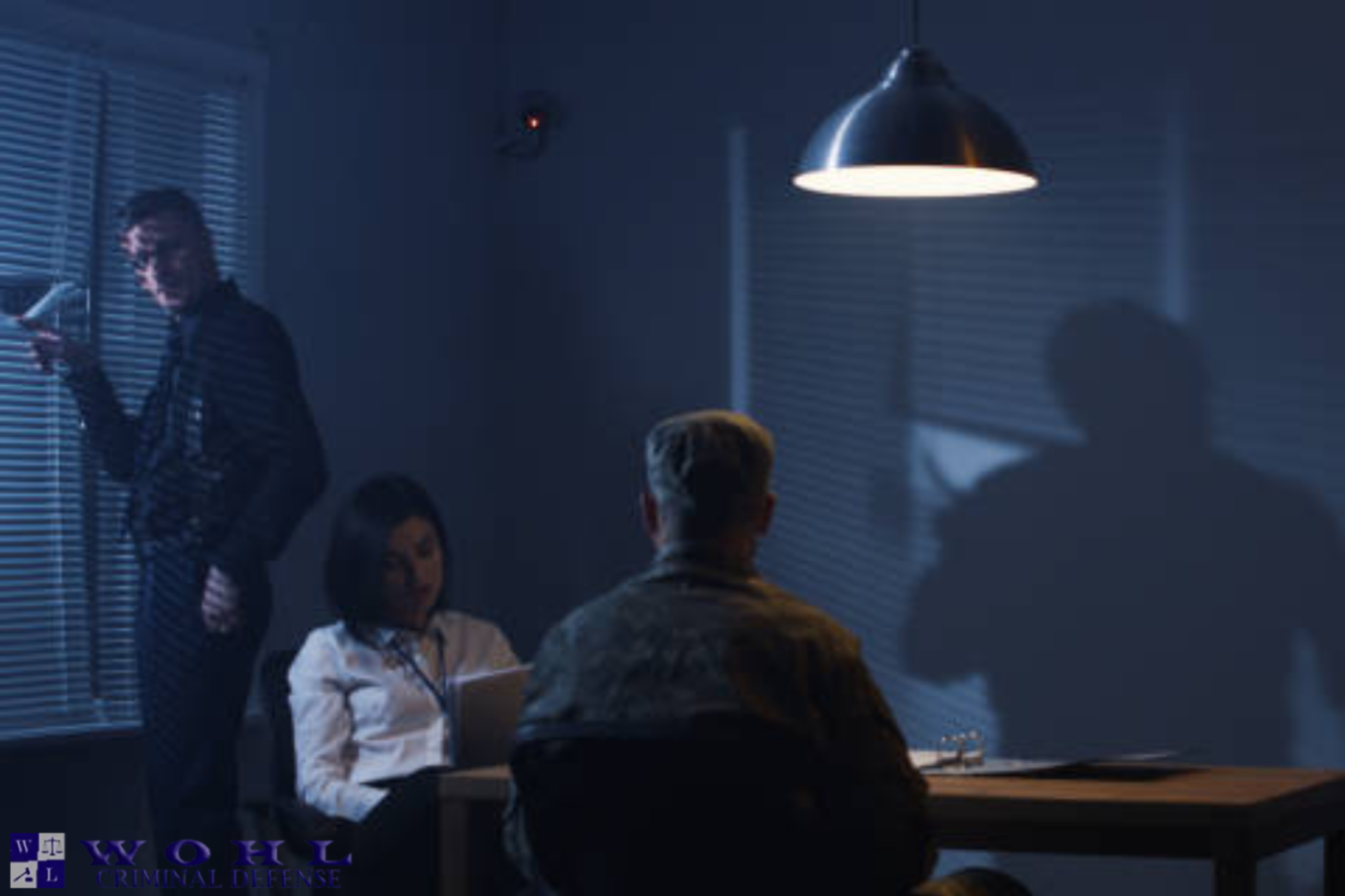
Legal strategy plays a key role during any interaction with law enforcement. A police questioning lawyer helps determine when to respond and when to remain silent.
Investigators often use structured questioning techniques designed to test consistency and gather detailed information. Without preparation, responses may unintentionally create complications later in court.
Strategic legal guidance focuses on:
- Reviewing available evidence first
- Avoiding unnecessary statements
- Protecting long-term defense position
Every statement made during questioning can carry legal weight, making careful decision-making essential.
Protect Your Rights Before You Speak
Understanding that should you talk to police without a lawyer is essential when facing any investigation. Early statements can shape how a case develops and may be difficult to challenge later.
If you are being questioned or investigated, legal guidance should come first. Learn more at Criminal Defense Riverside or contact the team through our contact page or call 951-384-7375 for assistance.
Frequently Asked Questions
Can you decline to be interviewed by the police?
Yes. In most situations, you have the right to decline a police interview or choose not to answer questions. You may also request that a lawyer be present before any questioning takes place.
What are Miranda Rights?
Miranda Rights are legal protections that require law enforcement officers to inform a person in custody of their right to remain silent, their right to an attorney, and that anything they say can be used against them in court. These rights help protect individuals during police questioning.