
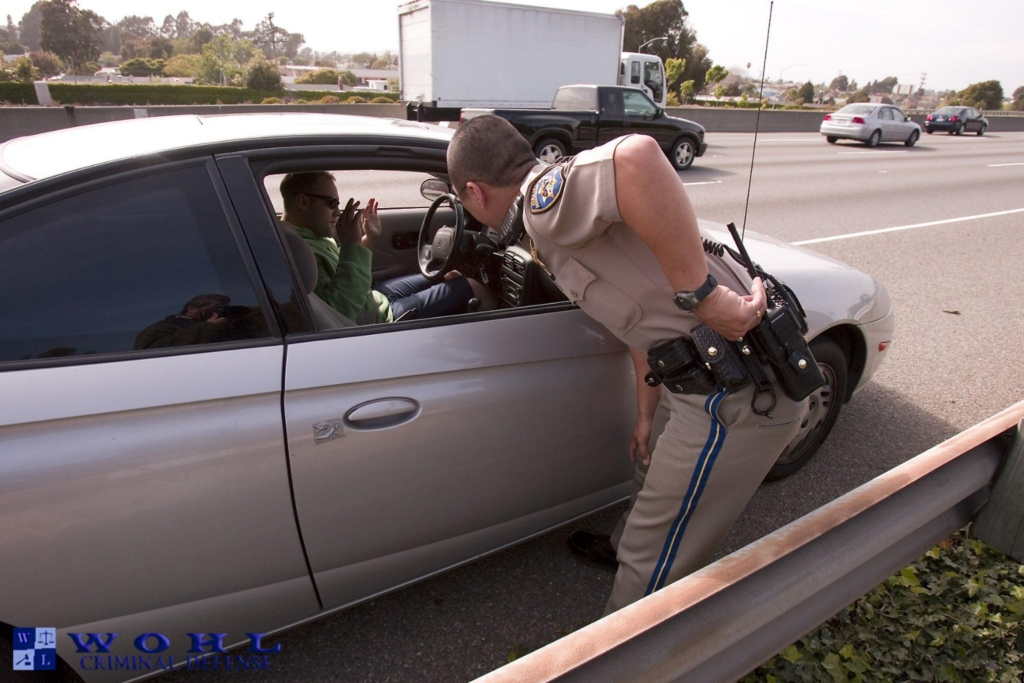
Rights during a traffic stop in California are essential to understand if you are pulled over by law enforcement. These rights determine what officers can ask, search, and require during a stop. Many drivers unknowingly waive protections by speaking too freely or consenting to searches.
In California, constitutional safeguards apply at every stage of a stop. Knowing your rights helps you stay calm, avoid self-incrimination, and protect yourself from unlawful police conduct. This guide explains key protections and how to respond effectively.
What Probable Cause Means During a Stop
A probable cause traffic stop refers to the legal standard police must meet before escalating a routine stop. Officers must have a reasonable belief that a law has been violated. This could include speeding, equipment violations, or observed impairment.
Without probable cause, enforcement actions become limited. Officers may still ask questions, but they cannot lawfully extend detention. Key points include:
- Traffic violations must be clearly observed
- Suspicion alone is not enough
- Extended detention requires legal justification
You can learn more about broader protections in our criminal defense overview. Probable cause is a foundation of constitutional policing in California.
What Are Your DUI Traffic Stop Rights?
DUI traffic stop rights are critical because DUI investigations often involve field sobriety tests and chemical testing. You are required to provide basic identification, but you are not always required to perform physical tests.
Officers may request breath or blood tests after arrest, but pre-arrest participation is more flexible. Important rights include:
- Right to remain silent beyond basic identification
- Right to decline field sobriety exercises
- Right to understand implied consent laws
Learn more about DUI defense strategies on our DUI defense page.
Refusing a Vehicle Search in California
Refusing a vehicle search in California is a key constitutional protection under the Fourth Amendment. Police often ask for consent to search your car during a stop. You generally have the right to refuse unless they have probable cause or a warrant.
Clear refusal is important. Stay respectful but firm. Key rules include:
- Consent must be voluntary
- Silence is not consent
- Officers may search only with legal grounds
You can review search protections in our search and seizure guide. Understanding refusal rights can prevent unnecessary evidence collection.
When Police Can Search Your Car
Police search car California rules depend on specific legal conditions. Officers cannot randomly search your vehicle without justification. Exceptions apply when there is probable cause, consent, or evidence in plain view.
Common lawful scenarios include:
- Visible illegal substances or weapons
- Arrest of the driver
- Valid search warrant
If none apply, the search may be challenged in court. Drivers should never physically resist, even if they disagree. Learn more about traffic violations at our traffic tickets resource. The Supreme Court has reinforced these protections through multiple rulings on search limits.
Challenging an Unlawful Search in Riverside
Unlawful search Riverside cases often involve evidence obtained without proper legal authority. If police exceed their limits, your attorney may seek to suppress evidence in court.
Signs of an unlawful search include:
- No consent or warrant
- No clear probable cause
- Extended detention without reason
These issues are evaluated under Fourth Amendment standards, which protect against unreasonable searches. If your rights are violated, documentation becomes crucial for your defense strategy.
Why a Criminal Defense Attorney Matters
Criminal defense attorney Riverside representation is essential after a questionable traffic stop. An attorney can analyze whether your rights were violated and challenge improper evidence collection.
Legal counsel can:
- Review dashcam or bodycam footage
- File motions to suppress evidence
- Negotiate reduced charges or dismissals
Early legal intervention often improves outcomes significantly. Understanding your rights is only the first step in building a strong defense.
Protecting Your Rights After a Traffic Stop
Knowing rights during a traffic stop in California can make a major difference in the outcome of your case. Every interaction with law enforcement carries legal implications, especially when searches or DUI investigations are involved.
The attorneys at Wohl Criminal Defense help clients challenge unlawful stops and protect constitutional rights. If you were cited or arrested, you should act quickly. Speak with legal counsel through the contact page or call 951-384-7375 for guidance.
Protecting your rights early ensures stronger defense options and better long-term outcomes.
Frequently Asked Questions
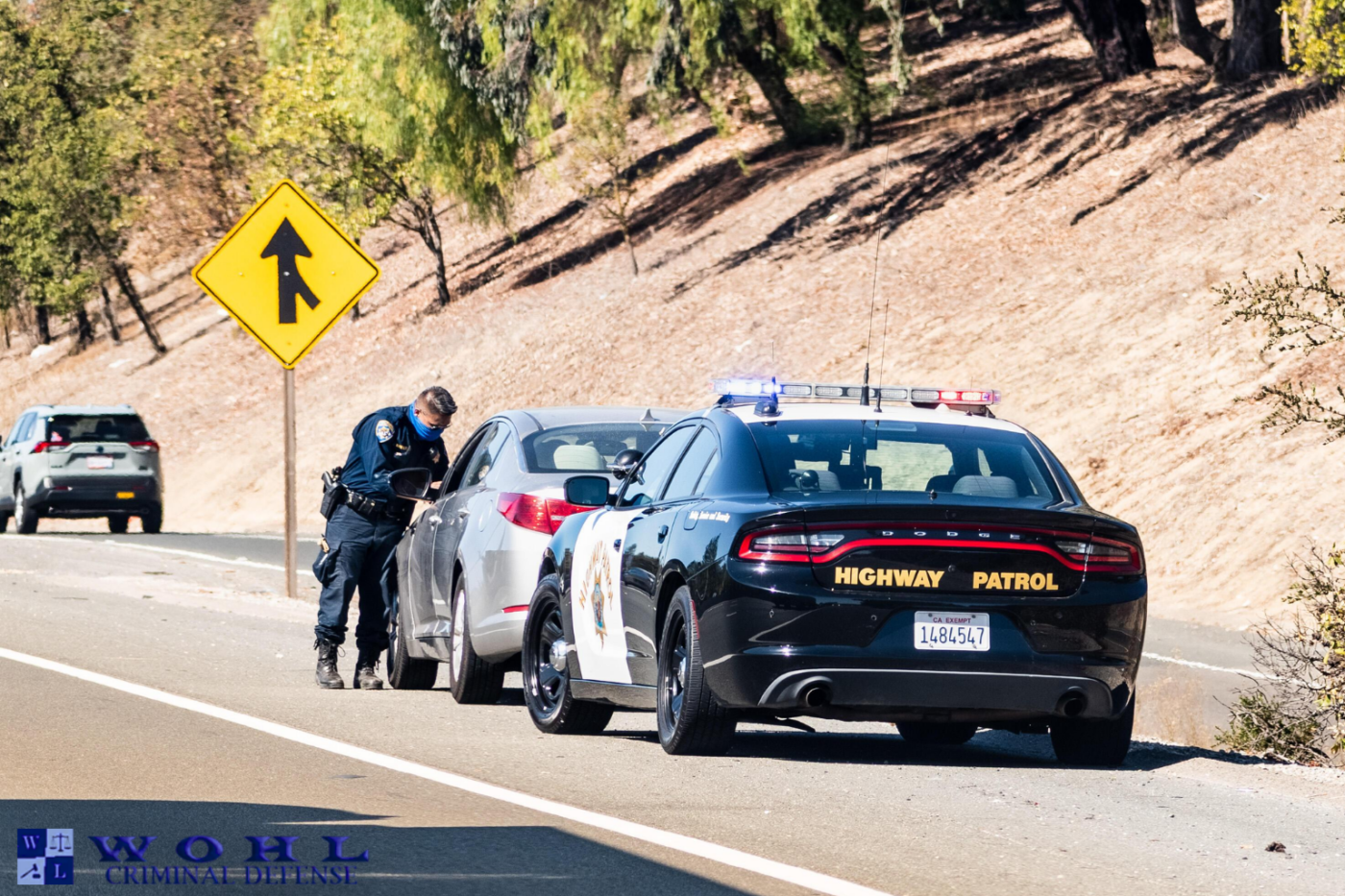
What are my rights during a traffic stop in California?
During a traffic stop in California, you have the right to remain silent beyond providing identification and required documents. You must show your driver’s license, registration, and proof of insurance if driving.
You do not have to answer questions about where you are going or what you were doing. You also have the right to refuse consent to a vehicle search unless officers have a warrant or probable cause. You should remain calm and not physically resist.
Do passengers have to give their ID at a stop in California?
Passengers in California are generally not required to show ID during a traffic stop unless certain conditions apply. Police can request identification if they reasonably suspect a crime or if the passenger is being cited or arrested.
Otherwise, passengers may usually decline. However, officers may still ask questions, and refusal must be done calmly. Local laws or specific situations can change how this applies in practice.
What is the new traffic stop law in California?
California has introduced laws aimed at limiting unnecessary police escalation during traffic stops. These reforms generally reduce stops for minor issues like certain equipment violations. The goal is to reduce pretextual stops that are not related to safety risks.
Officers are expected to focus on more serious violations. However, police can still enforce traffic laws and investigate suspected criminal activity when legally justified.
Do I have to roll down my window during a traffic stop in California?
Yes, you must roll down your window enough to communicate with the officer. There is no law requiring it to be fully down, but officers must be able to see and speak with you.
You are required to provide your license, registration, and insurance when asked. Keeping partial communication access is considered part of complying with a lawful traffic stop.