

The bail process is one of the first and most critical legal steps after an arrest, yet most people have no idea how it actually works.
In Riverside County, understanding bail can mean the difference between spending days in jail or returning home within hours. Families often feel panic, confusion, and pressure to act quickly, which leads to rushed financial decisions.
However, knowing the basic rules of bail helps protect both freedom and finances from the very start of a case.
1. Bail Exists to Guarantee Court Appearance, Not to Punish
What is the bail process really meant to accomplish? Bail exists to ensure that a defendant returns to court while still allowing them to remain free during their case.
The U.S. legal system operates under the principle that individuals are innocent until proven guilty, and bail supports that principle.
In Riverside County, bail is usually assigned using a standardized bail schedule that lists amounts based on specific charges. However, judges can adjust bail up or down depending on personal circumstances.
Bail allows defendants to keep their jobs, care for family members, and actively participate in building their legal defense.
2. Judges Determine Bail Based on Risk, Not Just Charges
The bail hearing process is where the court evaluates whether bail is appropriate and at what amount.
Judges do not rely solely on the charge itself. Instead, they consider several factors such as prior criminal history, the seriousness of the offense, and whether the defendant poses a danger to the community.
A defense attorney can present arguments showing that the defendant has strong ties to the area, stable employment, and no risk of fleeing.
In many cases, effective legal representation during this hearing leads to reduced bail or alternative release options such as supervised release.
3. Release Time Depends on Jail Operations and Payment Method
One of the most common questions families ask is, “How long does bail take to process?”
The answer depends on several variables, including the jail’s workload, the time of the arrest, and whether bail is paid in cash or by bond. Even when bail is paid immediately, release is not instant.
Jails must complete internal procedures, including identity verification, medical screening, paperwork processing, and database checks.
In Riverside, release may take anywhere from a few hours to over twelve hours. Delays are especially common on weekends, holidays, or during high-arrest periods.
4. Bail Bonds Allow Release Without Paying Full Bail
The bail bond process in CA exists because most people cannot afford to pay bail amounts in full out of pocket.
Bail for felony cases can easily reach tens of thousands of dollars. Bail bond companies allow defendants to secure release by paying a percentage of the bail amount, usually around 10%.
This fee is non-refundable, even if charges are dropped or the defendant is found not guilty. In exchange, the bond company guarantees the full bail amount to the court. While this option provides fast relief, families must understand that they are entering a binding financial contract.
5. The Bail Bond System Follows a Structured Legal Process
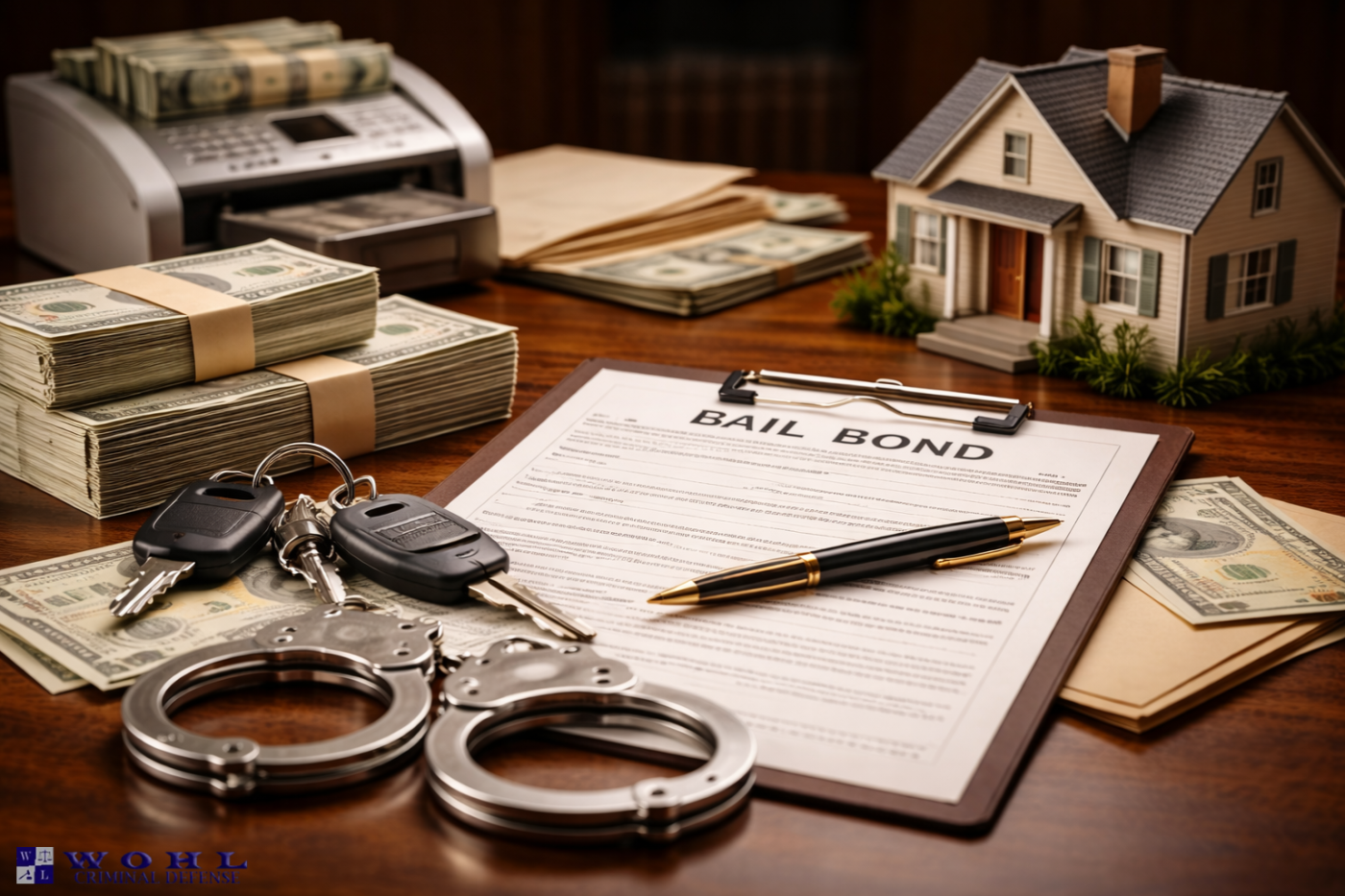
The bail bonds process begins when a family member or friend contacts a licensed bail agent. The agent collects information about the defendant, charges, and jail location. After payment is made, the agent submits bond paperwork directly to the jail.
In some cases, the bond company may require collateral such as property, vehicles, or co-signers, especially for high bail amounts.
Once the paperwork is approved, the jail initiates the release process. This system offers speed but comes with legal responsibility that lasts until the case ends.
6. Bail Bonds Carry Legal and Financial Risk
The bail bond process involves a significant risk that many people underestimate. If the defendant fails to appear in court, the bond company becomes responsible for the full bail amount.
To recover losses, the company may seize collateral, file lawsuits, or hire bounty hunters to locate the defendant.
Missing even one court date can result in additional criminal charges and financial damage to both the defendant and the co-signer. Families should never treat bail bonds casually. Compliance with all court orders is essential to avoid long-term consequences.
7. The Bail System Operates Through Clear Legal Stages
So, how does the bail process work from start to finish?
First, the defendant is booked into jail, and bail is assigned. Second, a judge may review bail during a hearing. Third, bail is paid either in cash or through a bond. Finally, the jail releases the defendant after completing administrative procedures.
While the steps seem straightforward, mistakes often happen without legal guidance, leading to unnecessary delays or financial losses.
Understanding Bail Protects Your Freedom
When someone is arrested, emotions run high, and decisions are made under pressure. Understanding your rights, financial options, and responsibilities can prevent serious mistakes.
The bail process is designed to preserve freedom, but only when handled correctly and with full awareness of the risks.
If you or a loved one is facing criminal charges, legal guidance should begin immediately. Wohl Criminal Defense provides experienced representation to protect your rights at every stage. Call 909-689-4292 or visit the contact page to speak with a defense professional today.